For a small telecom business, security can feel like a problem reserved for large carriers with dedicated compliance teams and unlimited budgets. In reality, smaller providers often face the same threats—account takeovers, exposed customer data, phishing, and unauthorized access—while having fewer resources to respond. This case study follows BrightLine Connect, a fictional regional telecom company, and shows how a practical approach to virtual numbers helped its team improve security without making everyday customer service more complicated.
The challenge: Convenience was creating risk
BrightLine Connect served local businesses with voice and messaging services. Its five-person team handled customer support, sales, and technical assistance from personal mobile phones and a shared office line. This arrangement was convenient, but it created several security concerns.
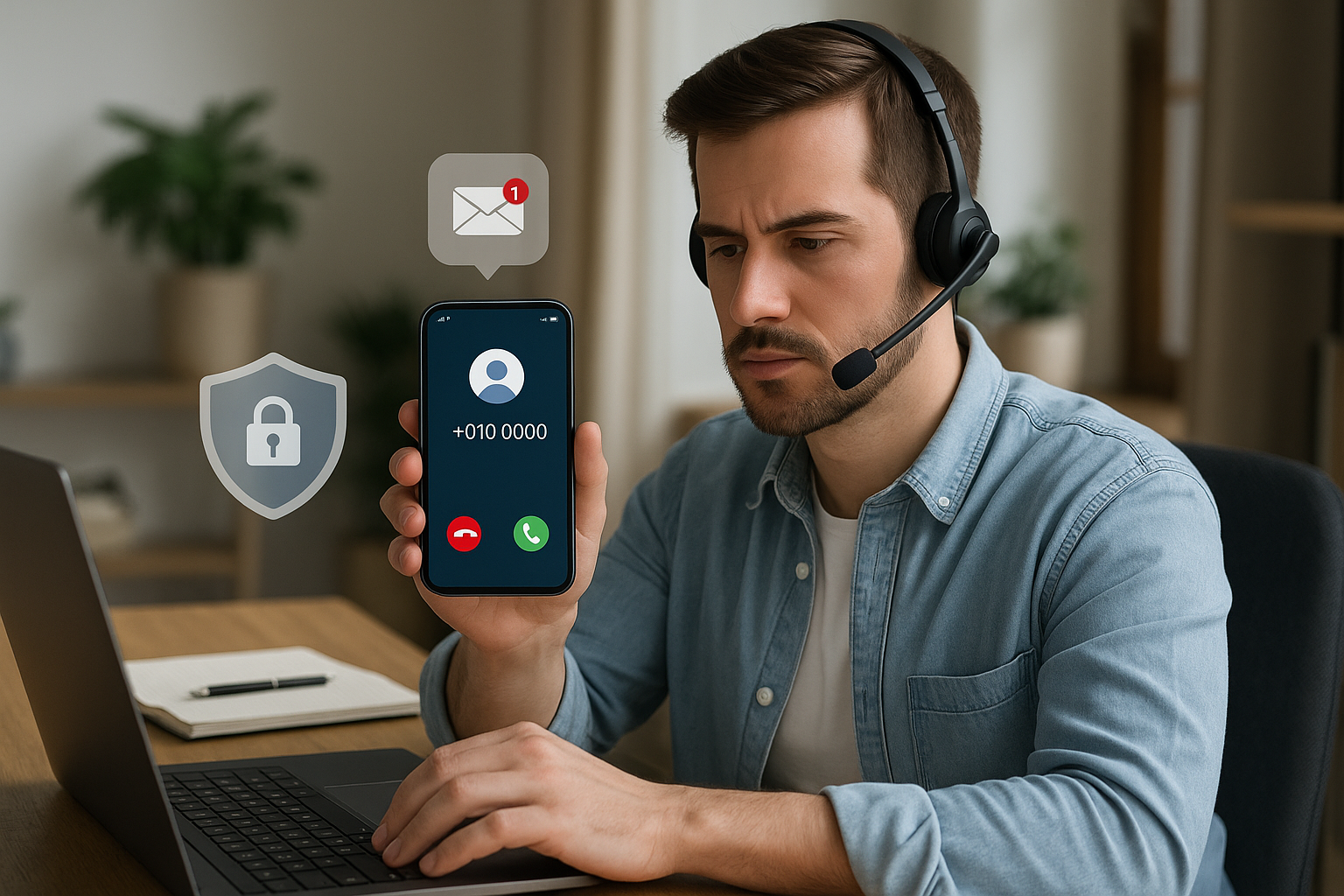
Customer calls were sometimes redirected to employees’ personal numbers. Staff members also used text messages to exchange account details, and former employees occasionally remained listed in forwarding rules. The company had no simple way to review who had accessed a customer conversation or determine whether a number was still being used by an authorized team member.
“We thought security meant installing antivirus software and changing passwords,” said BrightLine’s owner, Maya Thompson. “We didn’t realize that our phone setup itself could expose customer information.”
The first step: Separating business communications
BrightLine began by separating personal and business communications. Instead of publishing employees’ personal mobile numbers, the company assigned dedicated virtual numbers to its departments and customer-facing campaigns.
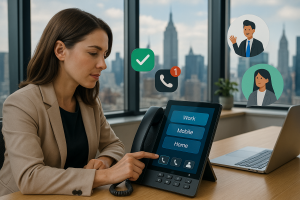
A virtual number works through a communications platform rather than being tied to one physical phone. Calls and messages can be routed to approved devices, teams, or applications. This gave BrightLine a professional contact point while allowing the owner to control access centrally.
That separation delivered an immediate security benefit: employees no longer needed to share their personal numbers with customers. When someone changed roles or left the company, BrightLine could update the routing rules without changing the number printed on its website, invoices, or marketing materials.
Building simple access controls
The next improvement was creating individual user accounts. Previously, several staff members shared one login, making it difficult to know who had viewed or changed customer information. With separate accounts, every employee received only the permissions required for their role.
Sales staff could manage new inquiries, support agents could handle active customer conversations, and administrators could update routing and security settings. The company also enabled multi-factor authentication, requiring users to verify their identity with an additional step beyond a password.
These changes were not complicated, but they addressed a common weakness in small businesses: excessive access. If one password is stolen, a shared account can expose an entire operation. Individual accounts and role-based permissions limit the potential damage and make unusual activity easier to investigate.
Protecting customer information in daily conversations
BrightLine also introduced a simple rule: sensitive information should never be sent casually through personal messaging apps. Customers were encouraged to use approved channels for account changes, service requests, and identity verification.
The team created short scripts explaining how staff should confirm a customer’s identity before discussing an account. They also reviewed message templates to remove unnecessary personal details. For example, rather than sending a full account number in a text message, agents used a partial reference and directed the customer to a secure process for additional verification.
This approach helped employees work consistently. Security was no longer an abstract policy; it became a series of small, repeatable actions that fit naturally into customer service.
Monitoring activity and preparing for incidents
After the changes, BrightLine began reviewing access records and call-routing settings each month. The owner checked whether former staff still had accounts, whether unusual forwarding rules had been added, and whether every active number had a clear business purpose.
The company also prepared a basic incident plan. If a virtual number was misused or an account appeared compromised, the team knew who would disable access, notify affected customers, and review recent activity. This preparation reduced confusion and helped the business respond quickly rather than making decisions under pressure.
The result: Better protection without added complexity
Within three months, BrightLine had reduced its reliance on personal devices, removed shared logins, and established clearer accountability. Employees reported that the new system made it easier to manage calls across the team, while customers received a more consistent experience.
The company’s biggest lesson was that effective security did not require a complete technology overhaul. It required visibility, sensible controls, and a communications setup designed around the way a small business actually works.
For telecom businesses, virtual numbers can be more than a flexible way to handle calls. When combined with individual access, multi-factor authentication, careful information handling, and regular reviews, they can become part of a stronger security foundation. If your business is still routing customer communications through personal phones or shared accounts, now is a good time to make a change. Get started with conXhub and take a practical step toward safer, more professional business communications.